
The Practice
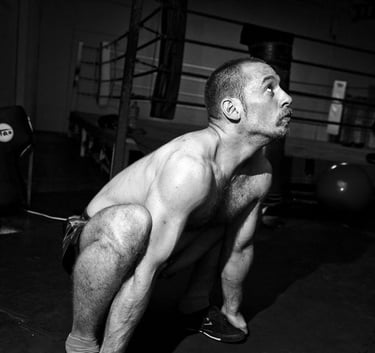
The Integration of East and West
Zen Shui Gong is not a fusion of ideas, but a structured integration of two complete systems of human development.
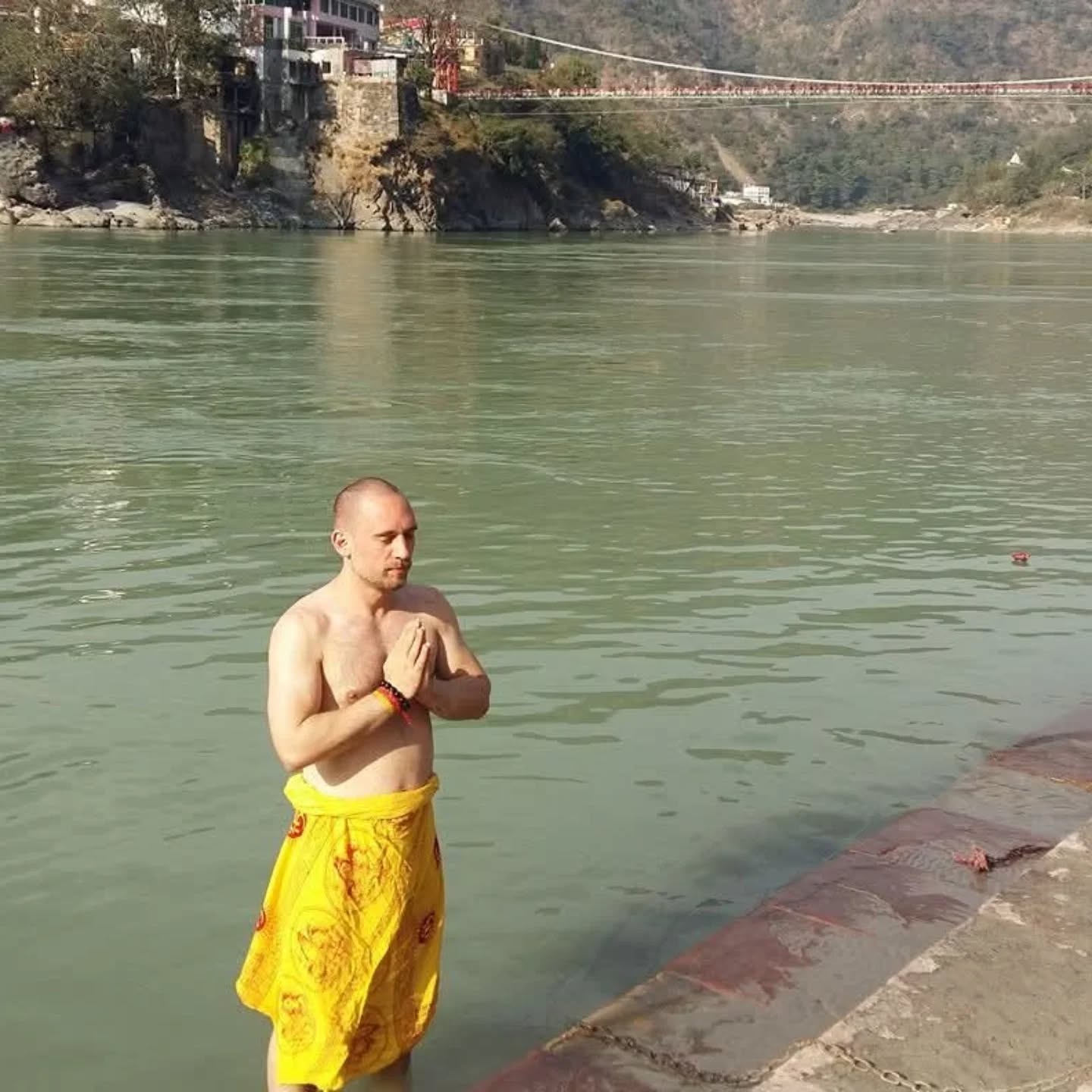
From the Eastern tradition, it draws on Shaolin discipline, Taoist internal cultivation, and the principles of embodied awareness — where breath, intention, and structure are trained as a unified internal practice.
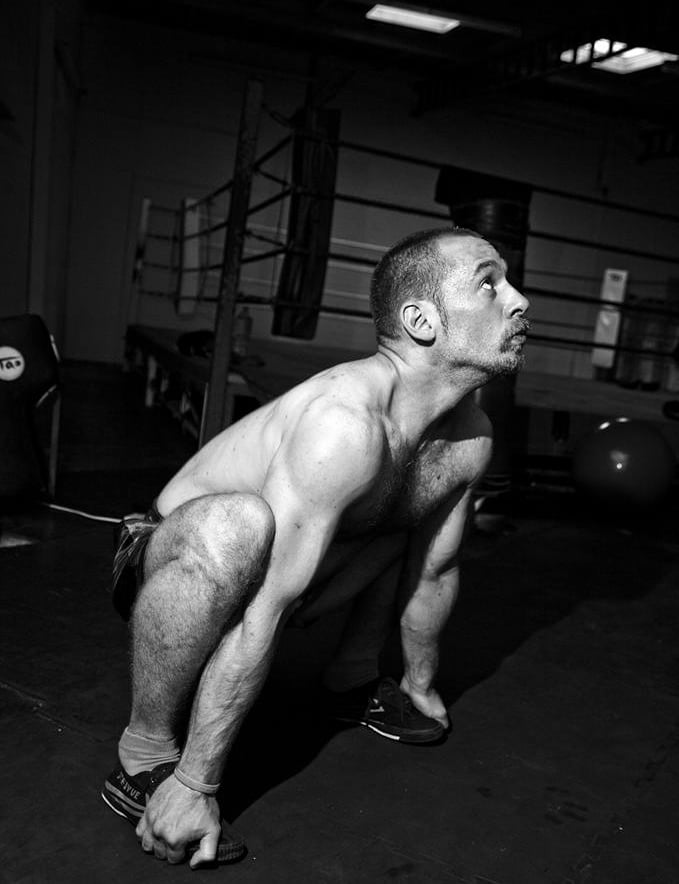
From the Western framework, it is supported by contemporary understanding of biomechanics, nervous system regulation, strength and conditioning, and recovery science.
Rather than blending philosophies, Zen Shui Gong aligns them through function: how the body moves, how the nervous system adapts, and how sustainable performance is maintained over time.
This creates a method that is both precise and adaptable — rooted in traditional internal training, yet expressed through modern physical and physiological understanding.
The result is not conceptual overlap, but practical coherence:
a system where structure supports recovery, awareness directs adaptation, and performance emerges from regulation rather than effort alone.
Zen Shui Gong exists at the point where internal cultivation becomes measurable in the body — and where modern performance returns to its most essential foundation: balance, awareness, and sustainable human function.
Principle
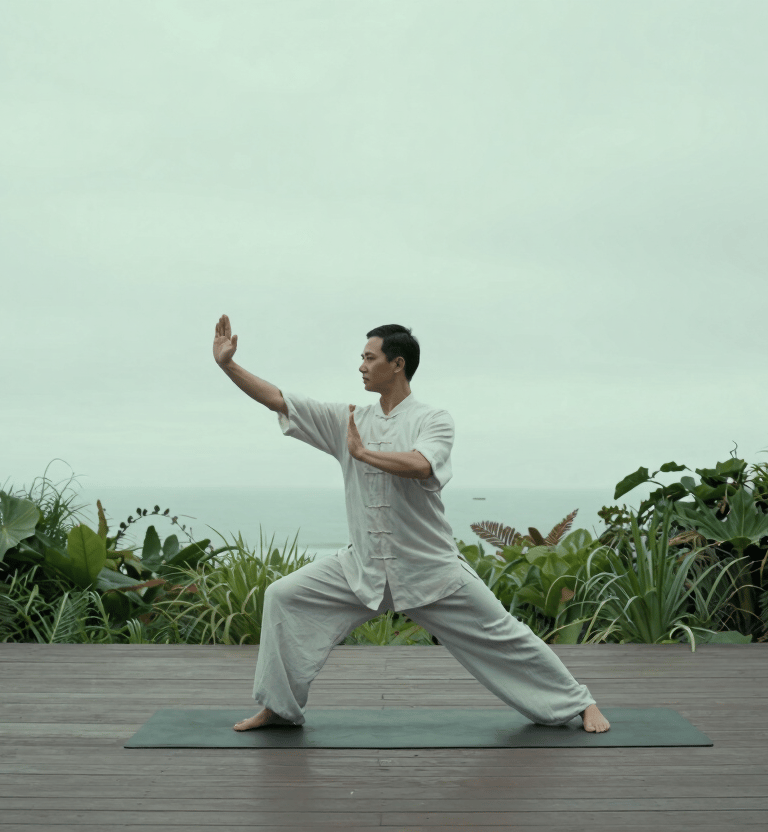
Zen Shui Gong is guided by a small number of core principles that define how training, awareness, and adaptation are integrated within the system.
These are not philosophical ideas, but operational laws of practice — shaping how the body is trained, how the nervous system is regulated, and how performance is developed and sustained.
1. Internal state governs external expression
Movement is not the starting point of training. Internal regulation — breath, awareness, and nervous system state — determines how the body moves, adapts, and reorganises.
2. Structure enables relaxation, not restriction
Physical alignment and structural integrity are not used to create rigidity, but to remove unnecessary tension so the system can function with efficiency and ease.
3. Awareness directs adaptation
The body responds to attention. Where awareness is placed, adaptation occurs. Training develops sensitivity before intensity.
4. Regulation precedes performance
Sustainable performance is only possible when the nervous system is regulated. Recovery, stability, and coherence form the foundation of all development.
Wellness Collaborations
Partner with Heng Hu to deliver private sessions, retreat workshops, and bespoke wellness experiences designed for luxury hospitality environments and high-performance guest wellbeing.
Zen Shui Gong is available as a signature offering for hotels, retreats, and curated wellness programmes seeking depth, refinement, and embodied transformation.
Enquire about partnership to explore collaboration opportunities.